

Table of Contents
Caring for Your Furry Friend’s Eyes:
Welcome to Nanotech Health, where we understand that your pet’s health and well-being are of utmost importance. As devoted companions, dogs bring joy and love into our lives, and in return, they rely on us for their care and comfort. Among the various health concerns your canine friend might face, eye issues are not uncommon. Whether it’s a minor irritation or a sign of something more serious, knowing how to safely and effectively address these eye problems is essential for every pet owner.
In this comprehensive guide, we delve into the world of canine eye care, specifically focusing on the use of pet eye drops. We understand that as a pet owner, you might wonder about the safety of using human eye drops for your dog or how to treat an eye infection at home. It’s crucial to navigate these questions with accurate information and an understanding of what’s best for your pet.
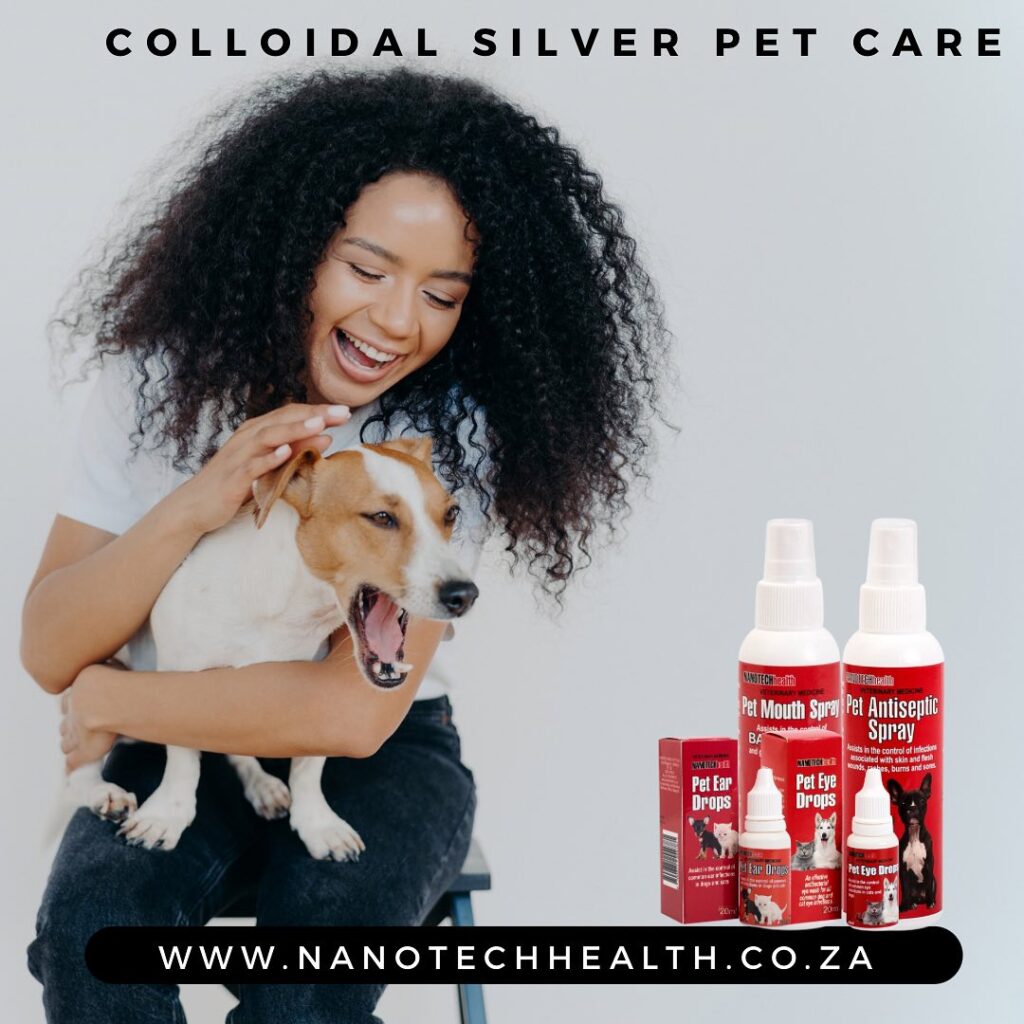
From distinguishing which human eye drops are safe for canine use, to exploring home remedies for eye infections, and recognizing the signs of eye problems, we’ve got you covered. Our goal is to equip you with the knowledge and tools to ensure your dog’s eyes remain healthy and bright.
In the following sections, we’ll guide you through the nuances of canine eye care, offering expert advice and practical solutions. We’ll also provide insights into when it’s appropriate to manage eye issues at home and when it’s crucial to seek professional veterinary care.
So, let’s embark on this journey together to ensure your furry companion’s eyes are cared for with the same love and attention they give us every day.
What Human Eye Drops are Safe for Dogs?
Navigating the Safety of Human Eye Drops for Canine Use
When it comes to treating your dog’s eye problems, it’s crucial to understand which human eye drops are safe to use. Some ingredients that are harmless to humans can be potentially dangerous for dogs. Here’s a guide to help you navigate this:
- Saline Eye Drops:
- Plain saline eye drops, commonly used to moisten dry eyes, are generally safe for use in dogs. They can help flush out debris from your dog’s eyes and provide relief from minor irritations.
- Avoid Medications:
- Eye drops containing medications, such as those for reducing redness or treating allergies, should be avoided unless specifically prescribed by a veterinarian. Many of these contain chemicals that can be harmful to dogs.
- Artificial Tears:
- Lubricating eye drops, also known as artificial tears, can be safe for dogs. They help keep the eyes moist and protect them from irritants.
- No Steroids or Antibiotics:
- Avoid using eye drops that contain steroids or antibiotics unless they have been specifically prescribed by your vet. These can alter the condition of the eye and potentially worsen the problem if not used appropriately.
- Consult Your Veterinarian:
- Before using any human eye drops on your dog, it’s always best to consult with your veterinarian. They can advise you on the safest and most effective treatment for your dog’s specific condition.
- Proper Application:
- If you do use saline or lubricating drops, ensure you apply them correctly. Avoid touching the dropper to the eye’s surface to prevent contamination.
While some human eye drops like saline solutions and artificial tears can be safe for dogs, it’s important to use them cautiously and under the guidance of a veterinarian. Always prioritize your pet’s safety and health by seeking professional advice before using any human medications on them.
-
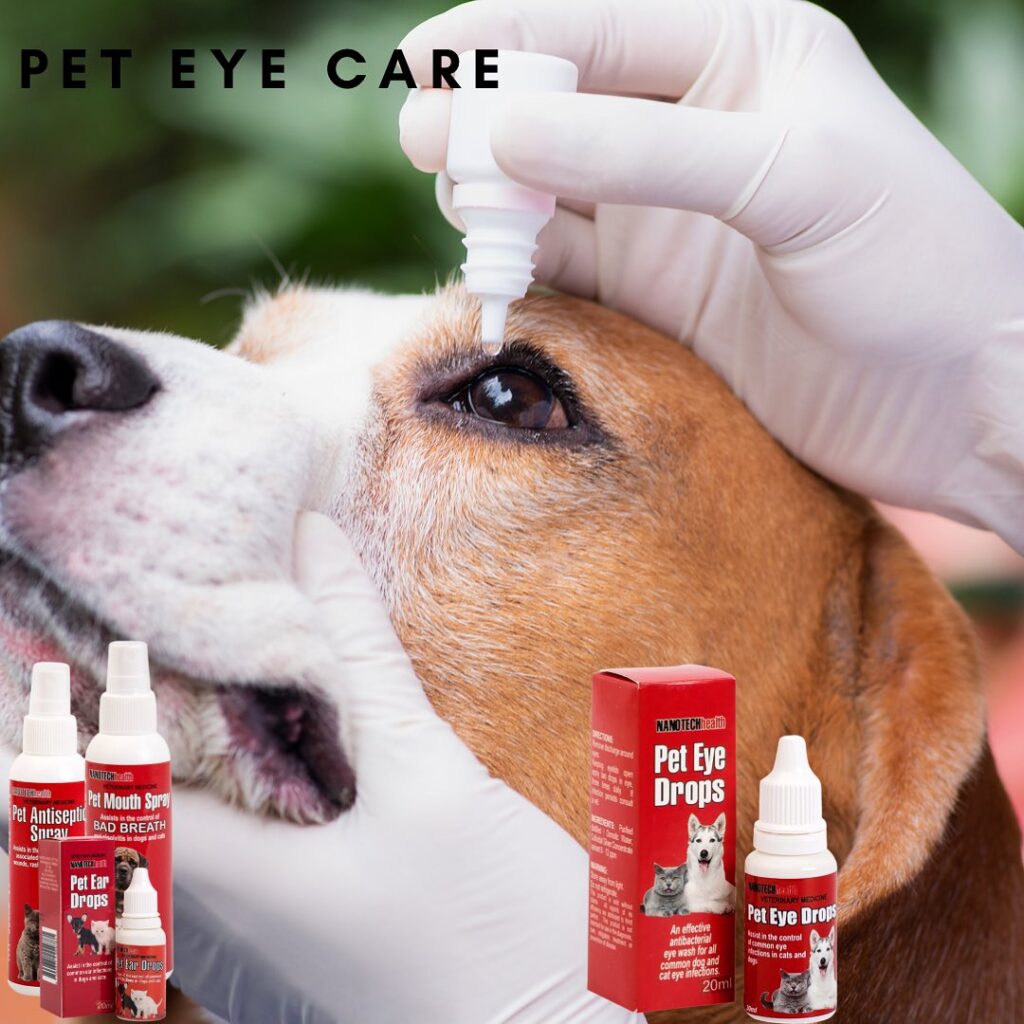
 Pet Eye Drops 20mlR80.00
 -
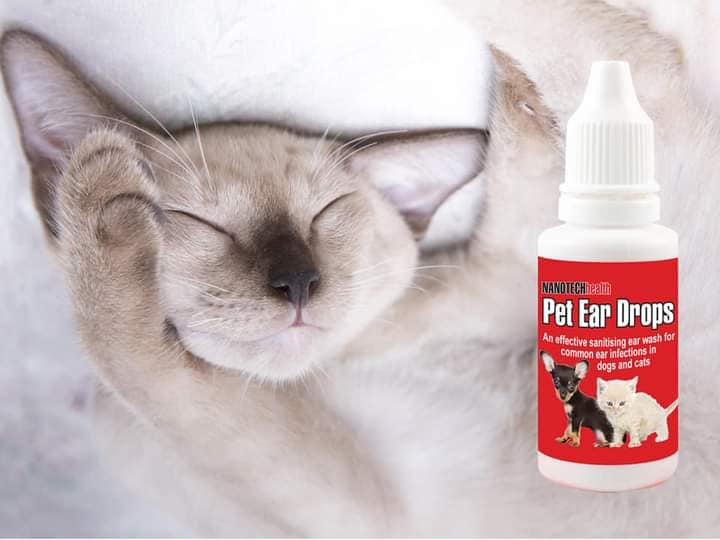
Pet Ear Drops 20mlR80.00
-
Pet Mouth Spray 125mlR100.00
-
Pet Antiseptic Spray 125mlR100.00


How Can I Treat My Dog’s Eye Infection at Home?
Home Care Strategies for Managing Minor Eye Infections in Dogs
If your dog is experiencing a mild eye infection, there are several home remedies you can try before consulting a vet. However, it’s crucial to monitor the infection closely and seek professional veterinary care if the condition doesn’t improve or worsens. Here are some safe and effective methods to treat your dog’s eye infection at home:
- Saline Solution:
- A basic saline solution (like the kind used for contact lenses) can help in cleaning your dog’s eyes. Gently flush the eye with saline to remove debris and discharge. Avoid using any solution with added medications or preservatives.
- Warm Compress:
- Apply a warm compress to your dog’s eye for several minutes, several times a day. This can help to reduce swelling and discomfort. Use a clean, soft cloth soaked in warm water, and make sure it’s not too hot.
- Chamomile Tea:
- Chamomile tea is known for its soothing and anti-inflammatory properties. Brew some chamomile tea, let it cool, and use a cotton ball to gently wipe around the infected eye. You can also use a cooled chamomile tea bag as a compress.
- Keeping the Eye Area Clean:
- Regularly clean the area around your dog’s eyes. Use a soft, damp cloth to gently wipe away any crust or discharge. Be sure to clean the cloth thoroughly after each use to avoid re-infection.
- Diet and Nutrition:
- Support your dog’s immune system with a balanced diet. Adequate nutrition can help the body fight off infection more effectively.
- Prevent Scratching or Rubbing:
- Ensure your dog doesn’t scratch or rub the infected eye, as this could aggravate the condition. A protective collar, like an Elizabethan collar (cone), may be necessary.
- Monitoring the Infection:
- Keep a close watch on the infection. If there’s no improvement within 24-48 hours, if the condition worsens, or if other symptoms develop, consult your veterinarian immediately.
- Avoid Over-the-Counter Medications:
- Unless prescribed by a veterinarian, avoid using over-the-counter medications or human eye drops, as they may contain ingredients that are harmful to dogs.
Always err on the side of caution when it comes to your pet’s health. While these home treatments can be helpful for minor eye issues, an eye infection can quickly become serious. If you are unsure about the severity of your dog’s eye condition or if the home treatments don’t seem to be working, it’s important to seek professional veterinary care as soon as possible. Your vet can provide a proper diagnosis and recommend the best course of treatment, ensuring your furry friend’s health and comfort.
What Can I Give My Dog for Eye Problems?
Effective Solutions for Canine Eye Issues
When your dog is experiencing eye problems, it’s essential to address them with safe and appropriate treatments. While some minor issues can be managed at home, others require professional veterinary care. Here are some options for treating various eye problems in dogs:
- Saline Solution for Cleaning:
- A sterile saline solution can be used to gently flush and clean your dog’s eyes. This is especially useful for removing debris or discharge.
- Artificial Tears:
- Over-the-counter artificial tears can provide relief for dry eyes. Ensure that the product is preservative-free and suitable for pets.
- Antibiotic Eye Drops:
- If your dog has an eye infection caused by bacteria, your veterinarian may prescribe antibiotic eye drops or ointments.
- Anti-Inflammatory Medication:
- For inflammation or allergic reactions, vets often prescribe anti-inflammatory eye drops. These should only be used under veterinary supervision.
- Preventing Scratching and Rubbing:
- Protect your dog’s eyes from further irritation by preventing them from scratching or rubbing their eyes. An Elizabethan collar may be necessary in some cases.
- Nutritional Support:
- Ensure your dog’s diet supports eye health. Omega-3 fatty acids, found in fish oil, and certain vitamins and minerals can promote healthy eyes.
- Regular Grooming:
- Keep the fur around your dog’s eyes trimmed to prevent irritation and keep the eyes clear of fur.
- Monitoring and Routine Checks:
- Regularly check your dog’s eyes for any signs of issues like redness, swelling, discharge, or changes in behavior that indicate discomfort.
- Consult Your Veterinarian:
- It’s crucial to consult with a veterinarian for proper diagnosis and treatment, especially if the problem persists or worsens. They can recommend specific treatments based on the underlying cause of the eye problem.
In summary, while there are several remedies you can provide for minor eye issues, the importance of professional veterinary advice cannot be overstated. A vet can accurately diagnose the problem and provide the safest and most effective treatment plan for your dog’s specific eye condition.
How Do I Know if My Dog Has an Eye Infection?
Recognizing the Signs and Symptoms
Identifying an eye infection in your dog early can lead to a quicker recovery and prevent more serious complications. Here are key signs to watch for that may indicate your dog has an eye infection:
- Redness or Inflammation:
- One of the most common signs of an eye infection is redness or inflammation in and around the eye area.
- Excessive Tearing or Discharge:
- A noticeable increase in tearing or unusual discharge (which can be clear, yellow, green, or even pus-like) from one or both eyes could indicate an infection.
- Swelling:
- Swelling around the eye or eyelid is a telltale sign of an infection or irritation.
- Squinting or Blinking:
- If your dog is frequently squinting or blinking, it may be a response to pain or discomfort from an infection.
- Rubbing or Pawing at the Eye:
- Dogs often try to relieve discomfort by rubbing or pawing at their eyes, which can further aggravate the condition.
- Cloudiness or Change in Eye Color:
- Any cloudiness or change in the color of the eye itself can be a sign of a more serious issue.
- Behavioral Changes:
- Dogs with eye infections may become more irritable or less active. They might also shy away from bright light.
- Appetite Changes:
- In some cases, dogs with discomfort or pain, including that from eye infections, may eat less.
If you notice any of these signs, it’s important to take action quickly. Start by gently cleaning around the eye with a soft, damp cloth to remove any discharge. However, avoid trying to treat the infection with over-the-counter products or home remedies unless specifically advised by a veterinarian.
When to See a Vet:
- Persistent Symptoms: If the symptoms persist for more than a day or seem to worsen, it’s time to visit the vet.
- Severe Symptoms: Immediate veterinary care is needed if the eye infection appears severe (significant discharge, marked redness, swelling, or if the eye is kept closed).
- Recurrent Issues: If your dog repeatedly suffers from eye infections, professional evaluation is necessary to determine any underlying causes.
Remember, eye infections can sometimes be symptomatic of other health issues, so a veterinarian’s insight is invaluable for proper diagnosis and treatment. Early intervention can prevent more serious health problems and ensure your dog’s comfort and well-being.
Conclusion on Eye Drops for Dogs
Ensuring the Best Care for Your Dog’s Eye Health
As we wrap up our guide on managing eye problems in dogs, it’s clear that understanding and promptly addressing these issues are key to maintaining your furry friend’s eye health and overall well-being. Whether it’s identifying safe human eye drops, exploring home remedies, understanding the right treatments, or recognizing the signs of an eye infection, being informed and vigilant as a pet owner is essential.
Remember, while minor eye irritations can often be managed safely at home with simple remedies and proper hygiene, more serious conditions require professional veterinary care. The health of your dog’s eyes should not be taken lightly, as eye problems can be indicators of broader health issues. Regular check-ups and prompt attention to any changes in your dog’s eye health are crucial.
We hope this guide has equipped you with valuable knowledge to confidently care for your dog’s eyes