


Does moringa cause liver damage? It is a fair question. Herbal supplements are a known cause of liver injury, and anything you take every day deserves a second look. The good news: at normal food amounts, there is no good evidence that moringa leaf damages a healthy liver. The research points the other way, with animal studies suggesting the leaf may even help protect the liver.
That is not the whole story, though. Dose, the part of the plant, product quality and your own health all matter. Here is what the evidence says about moringa and liver damage, who should be careful, and how to take moringa leaf sensibly.
Does moringa cause liver damage? The short answer
- ✅ Leaf powder at food amounts (a teaspoon or two a day) has been well tolerated in human studies.
- ✅ Animal studies often show the leaf protecting the liver against toxins such as paracetamol overdose.
- ⚠️ Very high doses of concentrated extracts have raised liver markers in some animal studies.
- ⚠️ Existing liver disease and some medicines change the picture. Ask your doctor first.
What the research says about moringa and the liver
Human studies
A widely cited 2015 review of moringa safety and efficacy in Phytotherapy Research looked at both animal and human studies. It concluded that moringa leaf and its extracts were generally safe at the amounts used in studies, with no serious side effects reported in people. Human trials are still small and short, so “no harm found” is not the same as “proven safe for everyone forever”. But nothing so far suggests that moringa causes liver damage at normal intakes.
Animal studies: often protective
Most liver research on moringa is in rats and mice. Many of these studies give the animals a liver toxin, such as a paracetamol overdose or a mould toxin, then test whether moringa reduces the damage. Results are often positive, likely thanks to the leaf’s antioxidants like quercetin. A 2026 study on moringa leaf extract and paracetamol liver damage in rats is one recent example. Animal results do not always carry over to people, but they are reassuring.
Where the concern comes from
Some animal studies gave very large doses of concentrated moringa extract, far beyond what anyone would eat, and saw raised liver enzymes. This is the main source of the “moringa liver damage” worry online. It is a reminder that more is not better, and that concentrated extracts behave differently from whole moringa leaf powder. So does moringa cause liver damage at the doses people actually take? The evidence says no.

When moringa could be a problem for your liver
Moringa leaf is unlikely to harm a healthy liver at normal amounts. These are the situations where you should be more careful:
- → You already have liver disease. Hepatitis, fatty liver or cirrhosis changes how your body handles anything new. Speak to your doctor first.
- → You take several chronic medicines. Moringa may affect how the liver processes some drugs, and may add to the effect of diabetes, blood pressure and thyroid medicine.
- → You take very high doses. Several tablespoons a day, or stacking powder, capsules and extract, is not what the research supports.
- → You do not know what is in the product. Cheap, unlabelled powders can be contaminated or bulked out with other herbs. Buy leaf-only products from a seller you can contact.
- → You drink heavily. Alcohol puts its own load on the liver. Moringa will not cancel that out.
Signs of liver trouble: stop and see a doctor
Any supplement can rarely cause a reaction in a sensitive person. Stop taking moringa and see a doctor promptly if you notice:
- ⚠️ Yellowing of the skin or the whites of your eyes
- ⚠️ Dark urine or pale stools
- ⚠️ Pain under your right ribs
- ⚠️ Unusual tiredness, itching, nausea or loss of appetite
Take the product with you so your doctor can see exactly what you have been using. Most cases of supplement-related liver damage involve multi-herb blends or high-dose extracts, not plain moringa leaf. A simple blood test checks your liver function.
How to take moringa without worrying about your liver
- ✅ Stick to food amounts. Half a teaspoon to start, one teaspoon (about 3g) a day after that.
- ✅ Choose leaf only. Root and bark are different and not for routine use.
- ✅ Do not stack products. Pick powder or capsules, not both at full dose.
- ✅ Tell your doctor or pharmacist if you take chronic medication.
- ✅ Buy from a traceable seller. You should be able to phone and ask what is in the pack.
For dosage and easy recipes, see how to use moringa powder. For what the leaf can realistically do, read what moringa is good for.
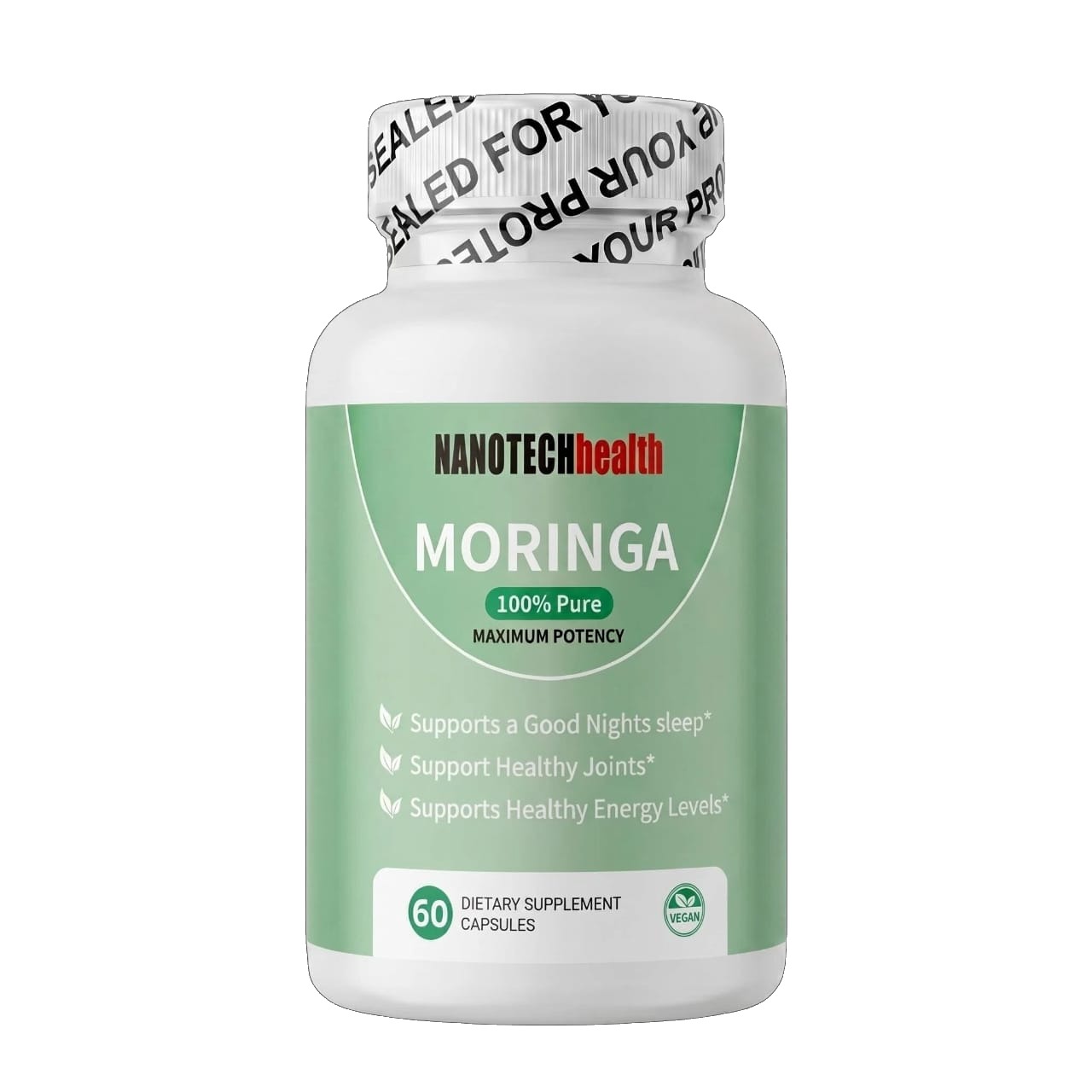
Why choose Nanotech Health moringa
- 🔬 Single ingredient. Our powder is dried Moringa oleifera leaf and nothing else.
- 🔬 Clear labels. Our 5-in-1 mix lists its neem content and pregnancy warning on the pack.
- 🔬 A real business you can call. Family-run in Boksburg and trading since 2017.
- 🔬 Sensible dosing advice on every product, not “take as much as you like”.
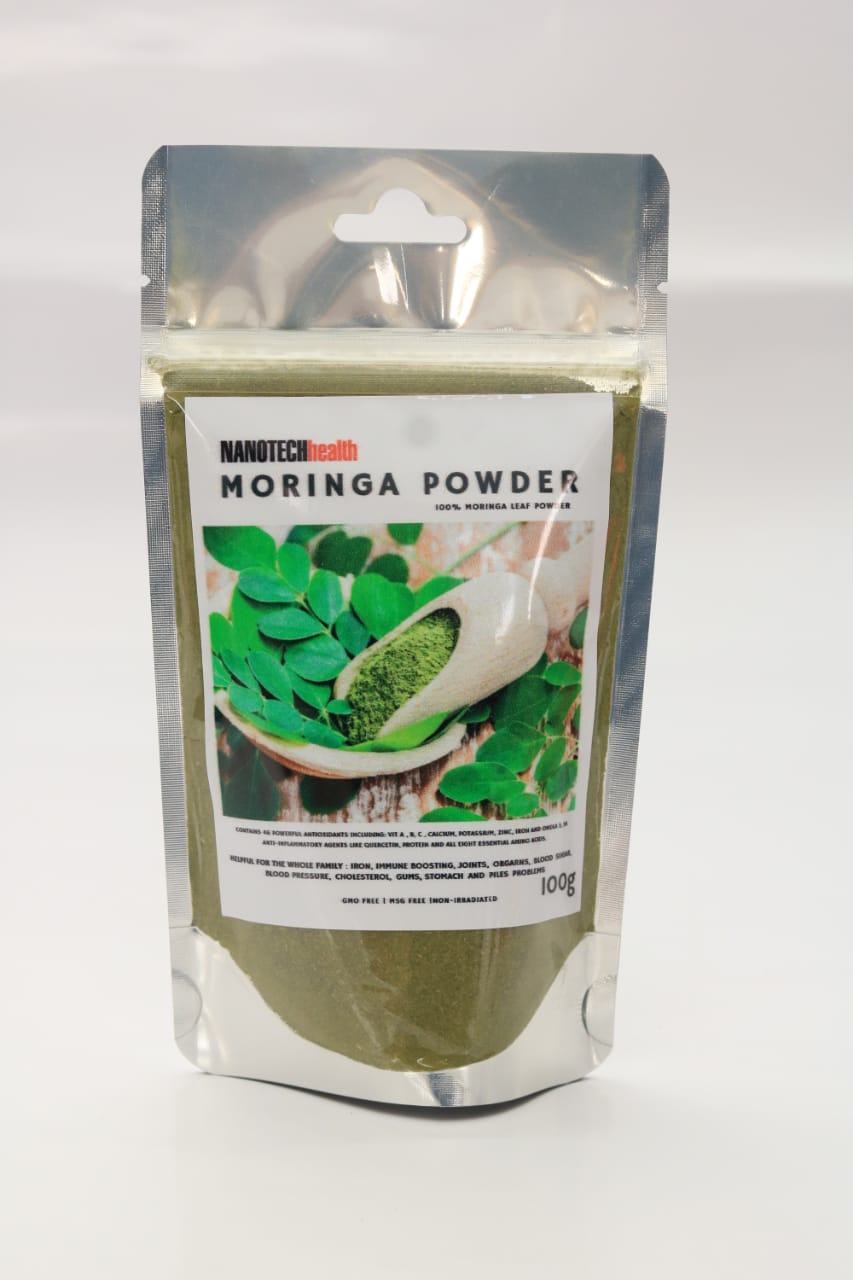
- → Moringa Powder 100%, R59. Pure leaf, a month at one teaspoon a day.
- → Moringa Capsules 60, R90. Measured doses, no taste.
- → Moringa Herbal Tea 20 bags, R180. The mildest way to take moringa.
📦 Packed in Boksburg, Gauteng.
🚚 Delivered across South Africa, usually 1 to 2 business days to major centres. Free delivery over R500.
📲 Questions about moringa and your medication? Call 061 418 0833 or message us, and check with your pharmacist too.
Does moringa cause liver damage? FAQs
Is moringa good or bad for the liver?
At food amounts, research suggests it is not harmful and may be protective, based mostly on animal studies. Very high doses of extracts are a different matter.
Can I take moringa with fatty liver?
Moringa has been studied in fatty liver in animals, but human evidence is limited. Ask your doctor before adding it, especially if you take medication.
How much moringa is too much?
There is no official upper limit. Most people take one teaspoon (about 3g) a day. Taking several tablespoons a day goes well beyond what has been studied.
Does moringa affect the kidneys too?
The same pattern applies: no clear harm at food amounts, with concerns only at very high extract doses in animals. If you have kidney disease, check with your doctor first.
This page is general information, not medical advice. Nanotech Health products are not intended to diagnose, treat, cure or prevent any disease and have not been evaluated by SAHPRA. Consult a healthcare professional before use if you have a liver or kidney condition, are pregnant or breastfeeding, or take prescribed medication.