

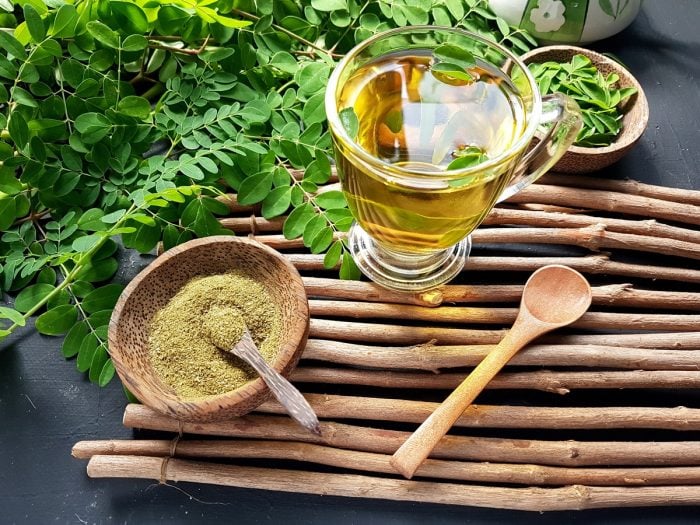
Pregnancy changes how you think about everything you eat and drink, and herbal teas are one of the most confusing areas. If you are wondering whether you can drink moringa tea while pregnant, here is the honest answer from a shop that sells it: check with your doctor or midwife first, and do not start moringa during pregnancy on your own.
That might sound strange coming from us. But we would rather lose a sale than have you guess. Below we explain what is known, what is not, which parts of the moringa plant to avoid, and what you can safely enjoy instead.
Moringa tea while pregnant: the short answer
- ✅ Moringa leaf is eaten as a vegetable in many countries, including by pregnant women, and some small supervised studies have used leaf supplements in pregnancy.
- ❌ Moringa root, bark and flowers contain compounds that may make the uterus contract. Avoid them completely while pregnant.
- ⚠️ There is not enough research to say moringa tea is safe at supplement doses through pregnancy.
- ⚠️ Blended teas can contain other herbs, including laxatives such as senna, that are not advised in pregnancy.
So the safest path is simple. Talk to your antenatal clinic before you drink moringa tea while pregnant, and bring the product with you so they can read the label.
What the research says about moringa in pregnancy
Most of the interest in moringa during pregnancy comes from its iron and folate content. Anaemia is common in pregnancy, and moringa leaf is a plant source of iron. A 2023 narrative review in the journal Nutrients looked at moringa supplementation during pregnancy and breastfeeding. It found some promising signs for iron levels, but the studies were small, used different doses and were done under medical supervision.
That is not the same as proof that moringa tea is safe for every pregnant woman to drink daily. Researchers themselves call for larger, better trials. Until those exist, doctors tend to be cautious, and so are we.
Why the root and bark are a concern
In traditional medicine, preparations of moringa root and bark were used to bring on contractions. Animal studies support the idea that these parts can affect the uterus. This is the main reason you will see “avoid in pregnancy” warnings on moringa products. A good moringa tea is made from leaf only, but you need to check the label to be sure.
Why blends need extra care
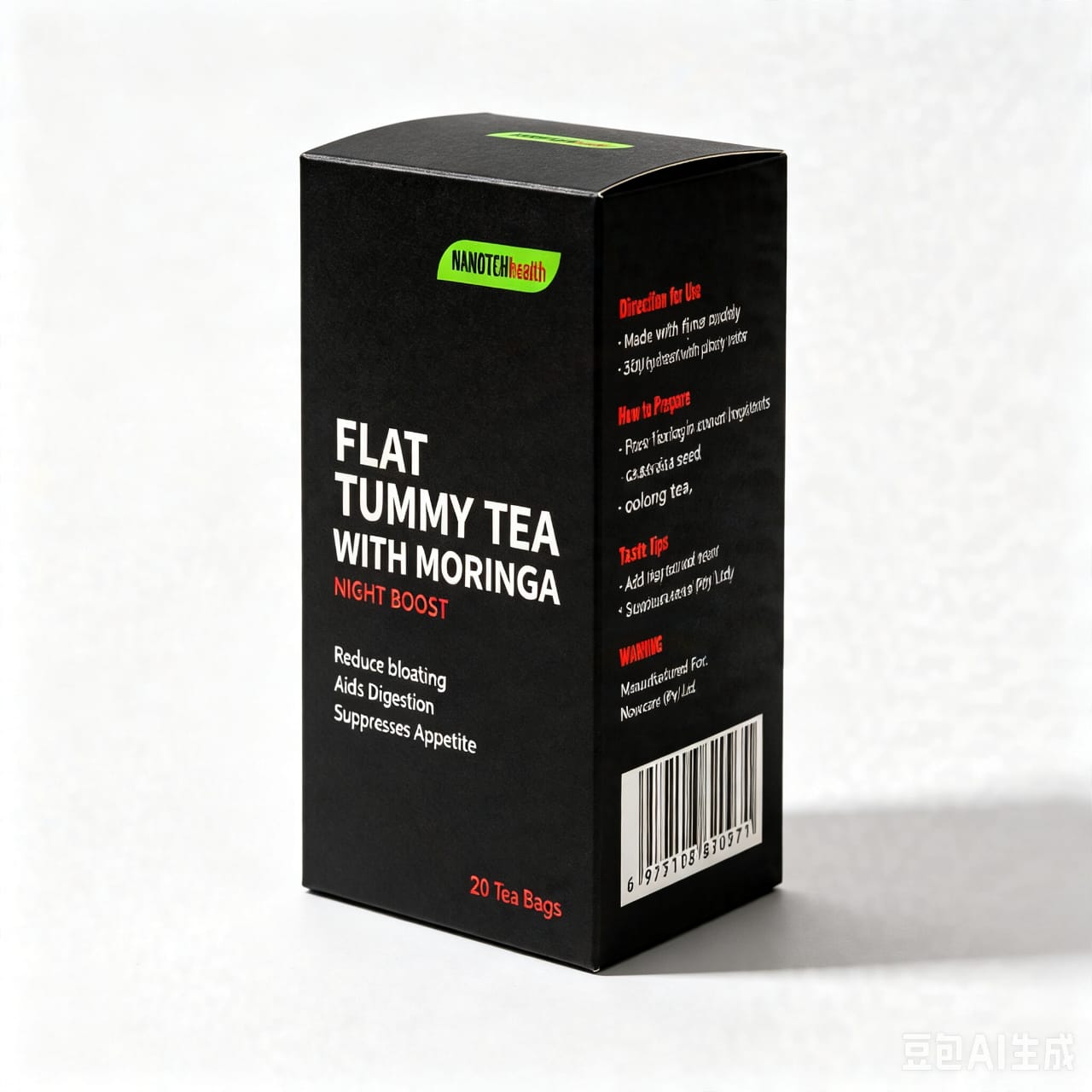
Many teas sold as “detox” or “flat tummy” teas mix moringa with other herbs. Some of those herbs act as laxatives or have their own pregnancy warnings. Our own Moringa 5-in-1 Mix contains neem, which is not recommended in pregnancy or when trying to conceive. Always read every ingredient, not just the word “moringa” on the front.
Questions to ask your doctor about moringa tea while pregnant
Your clinic sister, midwife or doctor knows your history, your blood results and your medication. Take these questions to your next appointment:
- → Is my iron level low, and would food sources like moringa leaf help alongside my prescribed supplements?
- → Does anything I take (blood pressure, diabetes or thyroid medicine) interact with moringa?
- → Is this specific tea, with these ingredients, okay for me at this stage of pregnancy?
- → How much, if any, is reasonable: one cup a week, or none at all?
If the answer is “not now”, that is fine. Plenty of women wait until after the birth to start moringa.
Moringa tea while breastfeeding: after the birth
After birth the picture changes. Moringa leaf is one of the most studied traditional galactagogues, foods used to support breast milk supply. A 2025 systematic review found some trials reported more milk volume, though the evidence is still limited. Many new mothers in South Africa use moringa leaf for this reason once their doctor agrees.
If you get the go-ahead, start with one cup of moringa tea or half a teaspoon of powder a day, and watch how you and your baby respond. Our guide to moringa powder for women covers this in more depth.
Safe swaps for moringa tea while pregnant
If you are cutting back on caffeine and want something warm in the evening, ask your clinic about these instead:
- → Plain rooibos. Caffeine-free and widely drunk by pregnant South African women.
- → Warm water with lemon and ginger. Many women find ginger helps with nausea.
- → Iron from food. Spinach, beans, lentils, eggs and lean red meat, with a source of vitamin C.
For pregnancy skin, our Boksburg-made Tlotsa Body Cream and Tlotsa Herbal Jelly are external-use moisturisers for dry, tight skin. The jelly also works as a nappy-change barrier once baby arrives. Patch test first, as pregnancy can make skin more sensitive.

When you are ready: Nanotech Health moringa
Once your doctor is happy, or after your baby is born, these are leaf-only options with nothing hidden:
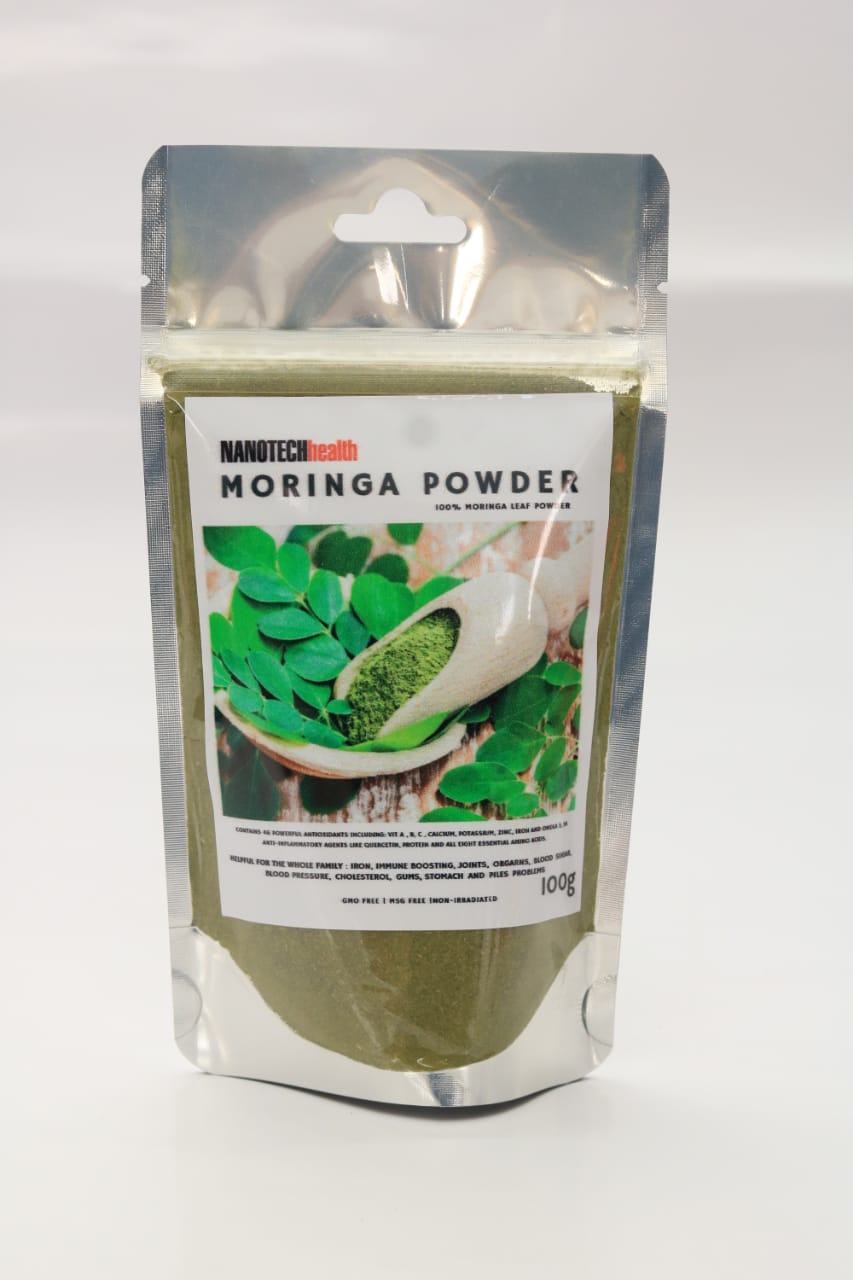
- → Moringa Powder 100%, R59. Single ingredient: dried moringa leaf. You control the amount exactly.
- → Moringa Capsules 60, R90. Measured doses, no taste.
- → Moringa Herbal Tea 20 bags, R180. Caffeine-free. Read the box ingredients with your clinic before use in pregnancy.
📦 Packed in Boksburg, Gauteng.
🚚 Delivered across South Africa. Free delivery over R500.
📲 Want to check an ingredient? Call 061 418 0833 or message us. We will tell you exactly what is in each product.
Moringa tea while pregnant: FAQs
Can I drink moringa tea while pregnant in the first trimester?
The first trimester is when doctors are most cautious about herbs. Do not start moringa tea in early pregnancy without medical advice.
Is moringa leaf safe in pregnancy?
Leaf eaten as a vegetable is traditional food in many countries, but there is not enough research to call moringa supplements or tea safe in pregnancy. Ask your doctor.
Can moringa cause miscarriage?
Moringa root, bark and flowers contain compounds that may cause contractions, which is why they should be avoided. Leaf-only products are a different case, but still need medical clearance in pregnancy.
Can I drink moringa tea while breastfeeding?
Many mothers do, and moringa is studied for milk supply. Check with your clinic first, start with one cup a day and watch your baby for any reaction.
This page is general information, not medical advice. Nanotech Health products are not intended to diagnose, treat, cure or prevent any disease and have not been evaluated by SAHPRA. If you are pregnant, trying to conceive or breastfeeding, consult your doctor, midwife or pharmacist before using any herbal product.